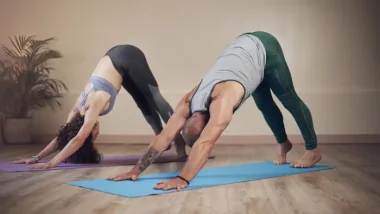

Prana Flow yoga is a style of yoga that combines movement, breathwork, creative sequencing, and mindfulness to create a dynamic and inspiring practice.
Developed by American yoga teacher Shiva Rea, Prana Flow yoga has gained popularity around the world for its emphasis on creativity, fluidity, and personal expression. In this article, we will explore the benefits of Prana Flow yoga and how to practice it.
What is Prana Flow Yoga?
Prana Flow yoga emphasizes the flow of prana, or life force energy, through the body. It is a creative and dynamic practice that encourages practitioners to move in a way that feels natural and intuitive. The practice is characterized by flowing sequences of movement that are linked to the breath, creating a moving meditation.
One of the key aspects of Prana Flow is its emphasis on creative sequencing. Unlike other forms of yoga that follow a set sequence of poses, Prana Flow yoga allows for flexibility and spontaneity. Teachers are encouraged to create their own sequences based on the needs of their students, and students are encouraged to explore their own unique expression of the practice.
The Benefits of Prana Flow Yoga
Prana Flow yoga offers a range of benefits, both physical and mental. Here are some of the benefits of this dynamic practice:
Physical Benefits:
- Increased flexibility, strength, and balance
- Improved cardiovascular health
- Relief from chronic pain and tension
- Boosted immune system
Mental Benefits:
- Reduced stress and anxiety
- Improved mood and emotional regulation
- Increased focus and concentration
- Greater self-awareness and self-acceptance
Spiritual Benefits:
- Deepened connection to the breath and body
- Increased awareness of the interconnectedness of all things
- Expanded sense of consciousness and spiritual growth
How to Practice Prana Flow Yoga
If you’re interested in trying Prana Flow yoga, it’s important to find a qualified teacher who can guide you through the practice safely and effectively. Here are some tips for practicing Prana Flow yoga:
- Find a qualified teacher: Look for a teacher who is trained in Prana Flow yoga and has experience working with students of all levels.
- Equipment needed: You’ll need a yoga mat, comfortable clothing that allows for movement, and possibly props like blocks and straps.
- Recommended attire: Wear comfortable, stretchy clothing that allows for a full range of movement.
- Preparation before the practice: Make sure to hydrate and eat lightly before practicing. It’s also a good idea to arrive early to allow time for setting up your mat and getting centered before the practice.
Examples of Prana Flow Yoga Sequences
Here are three examples of Prana Flow yoga sequences:
Sun Salutation sequence:
- Mountain pose
- Forward fold
- Half lift
- Plank pose
- Chaturanga
- Upward-facing dog
- Downward-facing dog
- Warrior I
- Warrior II
- Reverse warrior
- Extended side angle pose
- Triangle pose
- Tree pose
- Seated forward fold
- Savasana
Balancing sequence:
- Mountain pose
- Tree pose
- Dancer’s pose
- Warrior III
- Half moon pose
- Eagle pose
- Standing pigeon pose
- Forward fold
- Seated twist
- Seated forward fold
- Savasana
Inversions sequence:
- Downward-facing dog
- Three-legged dog
- Low lunge
- Pigeon pose
- Headstand
- Shoulderstand
- Plow pose
- Fish pose
- Seated forward fold
- Savasana
In Summary
Prana Flow is a dynamic and creative style of yoga that offers a range of physical, mental, and spiritual benefits. Through the combination of movement, breathwork, creative sequencing, and mindfulness, Prana Flow yoga encourages practitioners to tap into their own unique expression of the practice.
Whether you’re looking to improve your physical health, reduce stress and anxiety, or deepen your spiritual connection, Prana Flow yoga offers something for everyone. So why not give it a try and see what this inspiring practice can do for you?