Hatha yoga is an ancient practice with roots in India which combines breathing techniques (pranayama) with physical postures (asanas). It is a form of yoga that helps to create balance, strength and flexibility in the body and mind. Additionally, the calming and meditative aspects of the practice can help reduce stress and anxiety, improve focus and concentration, as well as provide many other physical and mental benefits.
The Basics of Hatha Yoga
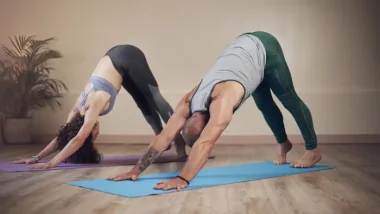
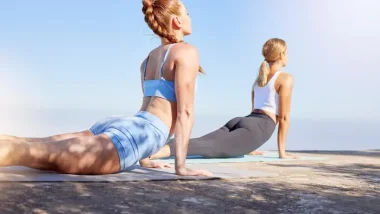
Unlike other forms of yoga, Hatha yoga focuses on traditional postures (asanas) and breathing techniques. The most common postures that are practiced in a Hatha yoga class include cobra pose, downward facing dog, sun salutations and warrior poses. These postures are designed to build strength, increase flexibility and improve balance. Breathing techniques used in Hatha yoga include ujjayi breath, alternate nostril breathing (nadi shodhana), kapalabhati breathwork (bellows breath) and bhastrika pranayama (breath of fire). These breathing exercises help to quiet the mind while improving circulation throughout the body.
The Physical and Mental Benefits of Hatha Yoga
Practicing Hatha yoga regularly provides many physical benefits such as increased flexibility, strength and balance as well as improved cardiovascular health. It can also reduce stress levels by calming the mind through mindfulness practices. The mindful movement of Asanas combined with conscious breathing can help to reduce anxiety by redirecting attention inward instead of focusing on external stimuli. Furthermore, regular practice can induce feelings of relaxation which promote improved focus and concentration both in yoga class as well as in everyday life.
Hatha Yoga and Meditation
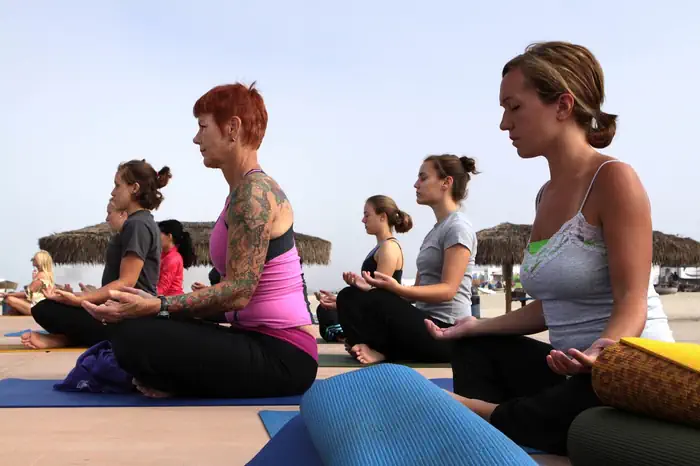
The physical component of Hatha yoga prepares the body for meditation which is an essential part of the practice. Different meditation techniques can be used such as mindful meditation or mantra meditation to cultivate a deeper level of awareness within oneself. This deeper level of awareness allows practitioners to observe their thoughts without attaching any judgement or emotion to them thus calming the mind even further.
Hatha Yoga for Beginners
For those who are new to fitness, or have never practiced yoga before, it is important to find an experienced teacher or class that will provide guidance for proper technique during each posture or breathing exercise. It may be beneficial for beginners to start out with a gentle class designed specifically for them in order to learn basic postures at a comfortable pace before progressing onto more advanced classes such as vinyasa flow or power yoga classes that integrate more challenging postures at a faster pace.
Advanced Hatha Yoga Practices
Advanced practitioners may explore bandhas (energy locks), mudras (hand gestures) or kriyas (cleansing techniques) which are all used in classical hatha yogic practices such as kundalini yoga. Learning these advanced practices involves exploring how energy moves through different parts of your body while using specific breathing patterns or holding certain poses for an extended period of time so it is best done under qualified guidance from an experienced teacher who is familiar with this type of practice.
Conclusion
Practicing Hatha Yoga regularly has numerous physical and mental benefits including increased flexibility and strength; improved cardiovascular health; reduced stress levels; enhanced focus; improved concentration; better sleep; overall relaxation; etc… Therefore we encourage readers who have always wanted to try this ancient practice but never had the opportunity to do so have a go at it today!